

In Summary: How Many Days Should You Spend in Istanbul?
Three to four full days are generally ideal for a first visit to Istanbul. This allows enough time to discover many of the city’s celebrated historical landmarks, experience the Bosphorus, and explore some of its distinctive neighborhoods without feeling constantly rushed.
However, there is no single answer that works for everyone. Two days can provide a rewarding introduction, while five days or longer allow for a deeper exploration of Istanbul’s history, architecture, cultural heritage, and everyday life.
The ideal length of your stay ultimately depends on what interests you most. A traveler fascinated by Byzantine architecture may wish to spend considerably more time exploring historic monuments than someone primarily interested in contemporary Istanbul, shopping, or culinary experiences.
As experienced local tour guides, we believe that the best way to explore Istanbul is to design your visit around your interests rather than follow a predetermined itinerary.
Why Istanbul Deserves More Than a Short Visit
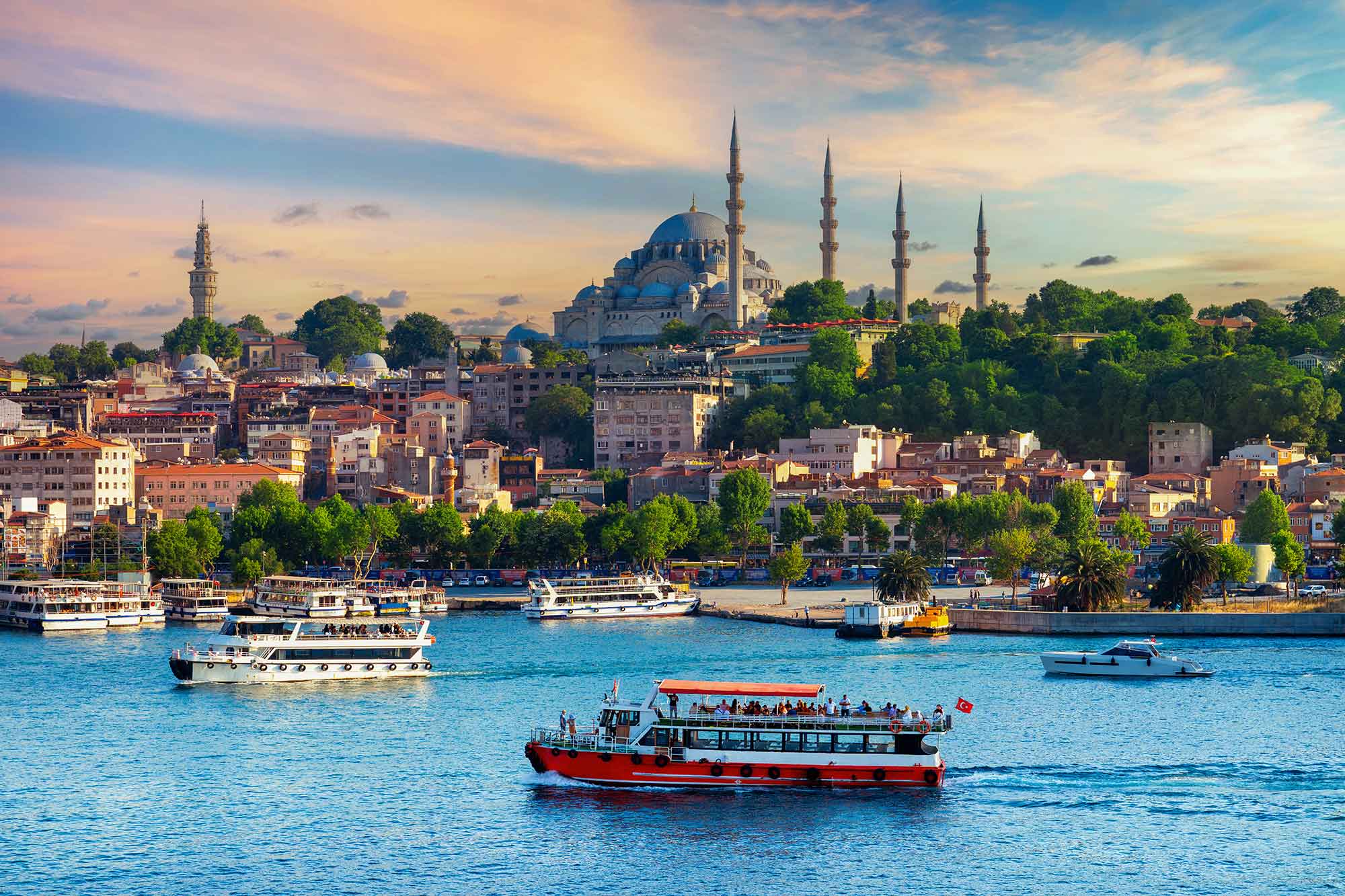
Few cities offer the historical and cultural diversity of Istanbul.
Founded as the Greek settlement of Byzantion in antiquity, the city later became Constantinople, the capital of the Roman Empire under Constantine the Great. It subsequently served as the capital of the Eastern Roman, or Byzantine, Empire and, following the Ottoman conquest in 1453, the Ottoman Empire.
For more than 1,600 years, Istanbul stood at the center of successive imperial civilizations.
The city’s extraordinary history remains visible in its architecture, religious monuments, archaeological collections, and historic neighborhoods.
Yet Istanbul is much more than its imperial past.
Today, it is a dynamic metropolis spanning Europe and Asia, where traditional markets, contemporary art galleries, historic waterfront neighborhoods, world-class restaurants, and diverse cultural communities coexist.
Many first-time visitors understandably focus on the Historic Peninsula, home to Hagia Sophia, the Blue Mosque, Topkapi Palace, and the Basilica Cistern.
Although these landmarks are essential to understanding Istanbul, they represent only a small part of the city’s heritage.
Across the Golden Horn and along the Bosphorus, visitors encounter entirely different architectural styles, neighborhoods, and historical experiences.
This diversity is one of the main reasons why determining how many days to spend in Istanbul can be surprisingly difficult.
Is Two Days Enough to Visit Istanbul?
Two full days can provide an excellent introduction to Istanbul, particularly for travelers with limited time.
The Historic Peninsula contains an exceptional concentration of important monuments, many within walking distance of one another.
Visitors can discover landmarks such as Hagia Sophia, the Blue Mosque, the Hippodrome of Constantinople, the Basilica Cistern, and Topkapi Palace.
However, even within this relatively compact area, visiting every major attraction can be challenging.
Topkapi Palace alone can require several hours, especially for visitors interested in Ottoman history, architecture, and the imperial collections.
Hagia Sophia deserves more than a brief stop, particularly for those wishing to understand its Byzantine origins, architectural innovations, surviving mosaics, and subsequent Ottoman history.
Entrance procedures, security checks, opening arrangements, and the time spent understanding each monument also influence how much can realistically be accomplished.
With only two days available, we generally recommend prioritizing the experiences that matter most to you rather than attempting to see everything.
A traveler interested primarily in Byzantine history may make very different choices from someone fascinated by Ottoman palaces or Istanbul’s contemporary neighborhoods.
Two days can be rewarding, but they require thoughtful planning and realistic expectations.
Is Three Days Enough in Istanbul?
For many first-time visitors, three full days provide a comfortable introduction to Istanbul’s principal attractions and cultural diversity.
Compared with a two-day visit, an additional day creates opportunities to explore beyond the Historic Peninsula.
The Bosphorus is one of Istanbul’s defining geographical and cultural features. A cruise along this remarkable waterway reveals the relationship between the city’s European and Asian shores, offering views of Ottoman palaces, waterfront mansions, historic fortresses, and neighborhoods that developed around maritime trade.
Other areas, such as Galata, Karakoy, and Beyoglu, introduce visitors to different chapters of Istanbul’s history.
These districts reflect the city’s commercial development, cosmopolitan communities, European architectural influences, and modern cultural life.
Three days may also allow time for experiences that are difficult to appreciate during a very short visit, such as exploring neighborhood markets, visiting smaller museums, or enjoying Istanbul’s culinary traditions.
Nevertheless, three days will not be enough to discover everything.
Istanbul’s size, traffic, and the geographical distribution of its attractions make it important to organize sightseeing efficiently.
The advantage of a private, personalized tour is that the experience can be adapted to your available time and interests without following a fixed sightseeing program.
What Can You Discover With Four or Five Days in Istanbul?
Four or five days allow visitors to experience Istanbul at a more relaxed pace and explore aspects of the city that are often overlooked during shorter stays.
Rather than concentrating exclusively on famous monuments, travelers can devote more attention to particular historical periods, neighborhoods, museums, and cultural traditions.
For example, visitors interested in Byzantine history may wish to explore surviving churches, imperial monuments, archaeological collections, and the city’s remarkable fortifications.
Those interested in Ottoman civilization can discover imperial mosques, palaces, historic markets, and neighborhoods that illustrate different periods of the empire’s development.
Istanbul’s Jewish and Christian heritage offers additional opportunities for specialized exploration, while its contemporary neighborhoods reveal the cultural diversity of the modern city.
With more time available, visitors can also explore the Asian side of Istanbul, where districts such as Kadikoy, Uskudar, and Kuzguncuk offer distinctive historical settings and local experiences.
A longer stay provides another important advantage: flexibility.
Instead of planning every hour around sightseeing, visitors can enjoy leisurely meals, explore neighborhoods spontaneously, or spend additional time at places that particularly interest them.
For travelers who appreciate history, architecture, and cultural exploration, four or five days can be especially rewarding.

Your Interests Determine How Much Time You Need in Istanbul
One of the most important considerations when planning a visit to Istanbul is deciding what you genuinely want to experience.
Different interests can lead to very different journeys through the same city.
Byzantine History and Architecture
Istanbul preserves one of the world’s most significant collections of Byzantine monuments.
As Constantinople, the city served as the capital of the Eastern Roman Empire for more than a thousand years.
Its surviving architectural heritage includes monumental churches, underground cisterns, fortifications, archaeological remains, and imperial structures.
Hagia Sophia is undoubtedly the most celebrated example of Byzantine architecture in Istanbul, but it is far from the only important monument.
The Chora Mosque, formerly the Church of the Holy Saviour in Chora, is renowned for its extraordinary Byzantine mosaics and frescoes.
The Theodosian Land Walls, constructed primarily during the fifth century, illustrate the sophisticated defensive engineering that protected Constantinople for centuries.
The Istanbul Archaeological Museums also contain important objects associated with the city’s ancient and Byzantine past.
Visitors with a particular interest in Byzantine history could easily devote several days to exploring this heritage.
Ottoman History and Architecture
Following the conquest of Constantinople in 1453, Istanbul became the capital of the Ottoman Empire.
Over the following centuries, Ottoman sultans transformed the city through ambitious architectural projects, including mosques, palaces, charitable complexes, markets, fountains, and public buildings.
Topkapi Palace provides insight into the political, ceremonial, and domestic life of the Ottoman court.
The Suleymaniye Mosque, designed by the celebrated Ottoman architect Mimar Sinan, represents one of the greatest achievements of classical Ottoman architecture.
Dolmabahce Palace, constructed during the 19th century, reflects a different period of Ottoman history, when European architectural influences became increasingly prominent.
Exploring these monuments reveals how Istanbul evolved under Ottoman rule and how its architectural identity changed over time.
Jewish Heritage in Istanbul
Istanbul has a rich Jewish history extending from antiquity through the Byzantine and Ottoman periods to the present day.
The arrival of Sephardic Jews following their expulsion from Spain in 1492 became an important chapter in the history of the city’s Jewish communities.
Historic neighborhoods such as Balat, Galata, and Kuzguncuk preserve connections to Jewish life in Ottoman and modern Istanbul.
Several historic synagogues survive, including the Ahrida Synagogue in Balat and the Ashkenazi Synagogue in Galata.
Jewish heritage tours offer opportunities to explore the religious, cultural, and social history of these communities.
However, synagogue visits generally require advance arrangements and are subject to security procedures, religious observances, and availability.
For travelers interested in Jewish history, dedicating additional time to this aspect of Istanbul can provide a particularly meaningful experience.
Christian Heritage in Istanbul
For centuries, Constantinople was one of the most influential centers of Christianity.
The city played a central role in the development of Christian theology, ecclesiastical institutions, religious art, and architecture.
It was associated with prominent Christian figures, including John Chrysostom, who served as Archbishop of Constantinople, and numerous theologians and church leaders whose influence extended throughout the Christian world.
Today, Istanbul remains home to the Ecumenical Patriarchate of Constantinople and diverse Christian communities, including Greek Orthodox, Armenian Apostolic, Catholic, and Protestant congregations.
Visitors interested in Christian history can explore Byzantine churches, important religious monuments, archaeological collections, and historic places of worship that continue to serve local congregations.
Understanding this heritage requires more than simply visiting famous buildings. It involves exploring the religious, political, and cultural developments that shaped Christianity over many centuries.
Neighborhoods and Local Culture
Istanbul’s historic neighborhoods offer some of the city’s most memorable experiences.
Fener and Balat, situated along the Golden Horn, preserve traces of the city’s Greek Orthodox, Jewish, and Ottoman past.
Galata reflects centuries of maritime commerce, international trade, and cultural exchange.
Karakoy combines historic commercial architecture with contemporary restaurants, galleries, and waterfront developments.
Across the Bosphorus, neighborhoods such as Kuzguncuk, Uskudar, and Kadikoy reveal different aspects of Istanbul’s urban life.
Exploring these areas provides a broader understanding of the city beyond its celebrated monuments.
The Bosphorus and Istanbul’s Waterfront
The Bosphorus is much more than a scenic waterway.
Throughout history, it has served as a strategic maritime passage connecting the Black Sea with the Sea of Marmara and, ultimately, the Mediterranean.
Its shores are lined with Ottoman palaces, historic fortresses, waterfront mansions, fishing villages, and neighborhoods that reflect different periods of Istanbul’s development.
A private Bosphorus cruise allows visitors to experience the city from a different perspective, appreciating the relationship between its geography, architecture, and history.
For many travelers, time spent on the Bosphorus becomes one of the highlights of their visit.
Does Where You Stay in Istanbul Make a Difference?
Absolutely.
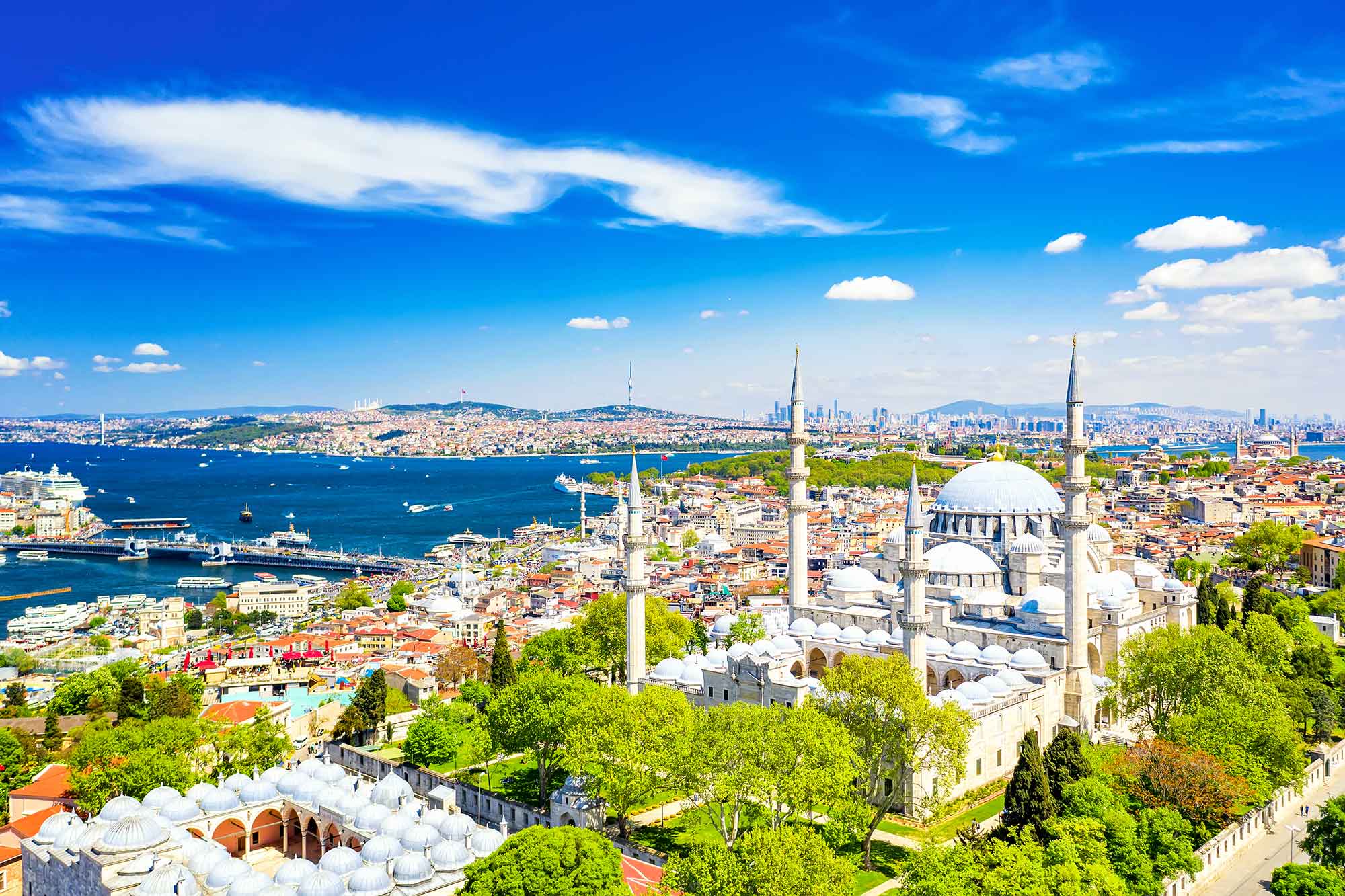
Istanbul is a large metropolitan area, and your accommodation location can significantly influence how much time you spend traveling between attractions.
For visitors primarily interested in the Historic Peninsula, Sultanahmet offers convenient access to many famous monuments.
However, travelers who prefer luxury hotels, fine dining, shopping, and contemporary city life may find neighborhoods such as Nisantasi, Karakoy, Pera, or Taksim more appealing.
Each area offers a different atmosphere and different advantages.
Staying in Sultanahmet may reduce travel time when visiting nearby historical monuments, but it does not necessarily make the neighborhood the most convenient choice for exploring the entire city.
Similarly, accommodation near the Bosphorus may provide beautiful views and a distinctive experience while requiring additional transportation to reach certain attractions.
When deciding how many days to spend in Istanbul, it is worth considering not only which attractions you wish to visit but also where you intend to stay.
How Does Transportation Affect Your Time in Istanbul?
Transportation is another important factor when planning your visit.
Istanbul’s historical attractions are spread across a large geographical area, and traffic conditions can vary considerably throughout the day.
Fortunately, many of the major monuments within the Historic Peninsula are accessible on foot.
For visitors staying nearby, walking can be one of the most enjoyable ways to explore the area.
However, traveling between Sultanahmet, the Bosphorus neighborhoods, Beyoglu, and the Asian side may require a combination of transportation options.
Public transportation, including trams, metro lines, ferries, and funiculars, provides extensive connections across the city.
A private vehicle with a professional driver can offer additional comfort and flexibility, particularly for visitors who prefer not to navigate public transportation or who wish to explore geographically dispersed attractions.
Nevertheless, private transportation is not always the fastest or most practical option.
In areas with heavy traffic or restricted vehicle access, walking or public transportation may be preferable.
At Eskinazi Tours & Events, we offer both private walking tours and private guided tours with a dedicated vehicle and professional driver.
The most appropriate arrangement depends on your interests, accommodation location, mobility requirements, and the places you wish to explore.
Why a Personalized Approach Makes a Difference
Istanbul is too diverse to be experienced through a single itinerary that suits everyone.
A visitor fascinated by Byzantine mosaics may wish to spend hours examining religious art and architecture.
Another traveler may prefer exploring historic markets, enjoying local cuisine, and discovering the city’s contemporary neighborhoods.
Families traveling with children, couples celebrating a special occasion, and visitors with particular cultural or religious interests may all have very different expectations.
This is why we believe that a private tour should be designed around the individual traveler.
At Eskinazi Tours & Events, we do not offer predetermined sightseeing programs.
Instead, we begin by understanding our guests’ interests, available time, preferred pace, and expectations.
Our licensed professional guides then help create personalized experiences that reflect those preferences.
Some guests prefer an in-depth exploration of a particular historical period, while others enjoy combining famous landmarks with lesser-known neighborhoods and cultural experiences.
The objective is not simply to visit as many attractions as possible.
It is to make the time you spend in Istanbul meaningful, enjoyable, and personally rewarding.
Frequently Asked Questions
How many days do you need in Istanbul for the first time?
Three to four full days are generally ideal for first-time visitors. This provides enough time to discover many of Istanbul’s principal historical attractions, experience the Bosphorus, and explore selected neighborhoods. Travelers with specialized interests may prefer a longer visit.
Is two days enough to see Istanbul?
Two days can provide a rewarding introduction to Istanbul, particularly if you focus on the attractions that interest you most. However, it is not enough to explore the city comprehensively.
Is three days enough in Istanbul?
Yes. Three full days are sufficient for many first-time visitors, especially when sightseeing is organized efficiently. However, Istanbul offers enough historical, architectural, and cultural attractions to justify a much longer stay.
Is five days too long in Istanbul?
Not at all. Five days allow visitors to explore Istanbul at a relaxed pace and discover neighborhoods, museums, and cultural experiences beyond the most famous landmarks.
Can you explore Istanbul without a car?
Yes. Many attractions in the Historic Peninsula are within walking distance of one another, and Istanbul has an extensive public transportation network. Private transportation can be useful for certain journeys, depending on your itinerary and preferences.
Is it worth hiring a private tour guide in Istanbul?
A licensed private guide can provide valuable historical and cultural insights, help you understand the significance of the places you visit, and personalize the experience around your interests. Private guiding is particularly beneficial for visitors interested in Istanbul’s Byzantine, Ottoman, Jewish, and Christian heritage.
Should I book my Istanbul tours before arriving?
Advance reservations are recommended, particularly during busy travel periods or when requesting specialized experiences. Certain attractions and religious sites may also require advance arrangements.
Discover Istanbul Your Way
Whether you have two days, four days, or an entire week, Istanbul offers an extraordinary variety of experiences.
From Byzantine churches and Ottoman palaces to historic neighborhoods, the Bosphorus, and contemporary cultural life, the city rewards travelers who take the time to explore its many dimensions.
The ideal length of your stay depends on what you want to discover.
At Eskinazi Tours & Events, we specialize in private, tailor-made tours designed around each guest’s individual interests, preferences, and available time.
With more than four decades of experience in the travel industry and a team of licensed professional guides, we help visitors discover Istanbul through personalized experiences rather than predetermined itineraries.
Whether your interests lie in history, architecture, religious heritage, local culture, or a combination of these, we would be delighted to help you plan your visit.
Contact Eskinazi Tours & Events to arrange a complimentary 15-minute consultation and discover how we can create a personalized Istanbul experience for you.