

In Summary: How Many Days Should You Spend in Istanbul?
Many of Istanbul’s synagogues welcome visitors by prior arrangement. Access depends on the congregation’s schedule, religious observances, and security procedures. Begin with your travel dates and the synagogues you most want to see, then confirm which visits are possible before planning the rest of the day.
For most first-time visitors interested in Jewish heritage, we recommend starting with Galata and Balat. A half day gives you time to explore both neighborhoods if your visits can be coordinated. A full day is more comfortable if you want to spend longer at the Jewish Museum, enjoy a leisurely lunch, or continue to Ortaköy or Kuzguncuk along the Bosphorus.
The Jewish Museum of Turkey in Galata is a useful starting point for travelers planning independently. It publishes its own visitor hours and identification requirements. The museum also serves as the entrance to Neve Shalom Synagogue, but it’s worth confirming what will be accessible on your chosen date, especially if the synagogue itself is a priority.
What Istanbul’s Synagogues Tell Us About the City
Many visitors first encounter the story of Jewish Istanbul through the Sephardic Jews who settled in the Ottoman Empire after their expulsion from Spain in 1492. That migration profoundly shaped the city, but it is one chapter in a much longer history. Greek-speaking Romaniote communities were part of Byzantine Jewish life, and Istanbul later became home to congregations with roots in the Balkans, the Iberian Peninsula, and Central Europe.
You can see some of these connections within a single day. In Balat, the name Ahrida recalls Ohrid, in present-day North Macedonia. In Galata, the Ashkenazi Synagogue reflects the history of a congregation founded by Jews of Austrian origin. Nearby, Neve Shalom brings the story into the twentieth century and the life of the community today.
These differences are what make a visit so rewarding. As you move from one neighborhood to another, you can see how each congregation fits into the history of Jewish Istanbul. For the wider story, see our guide to Jewish history in Istanbul.
Where to Begin in Galata
Galata is a good first stop if you have limited time or want some historical context before visiting other neighborhoods. You can see the museum and two important synagogues within a relatively small area. Bear in mind that the walk up from Karaköy is steep in places. If hills are a concern, it’s worth planning where to start and how you’ll continue to Balat.
The Jewish Museum of Turkey and Neve Shalom Synagogue
The Quincentennial Foundation Museum of Turkish Jews is part of the Neve Shalom complex. Its collections introduce Jewish life in Turkey through objects, photographs, and accounts of religious and everyday traditions. If you’re unfamiliar with the history, allow time here before moving on. The exhibits can give you context for the names, customs, and stories you’ll encounter elsewhere in the city.
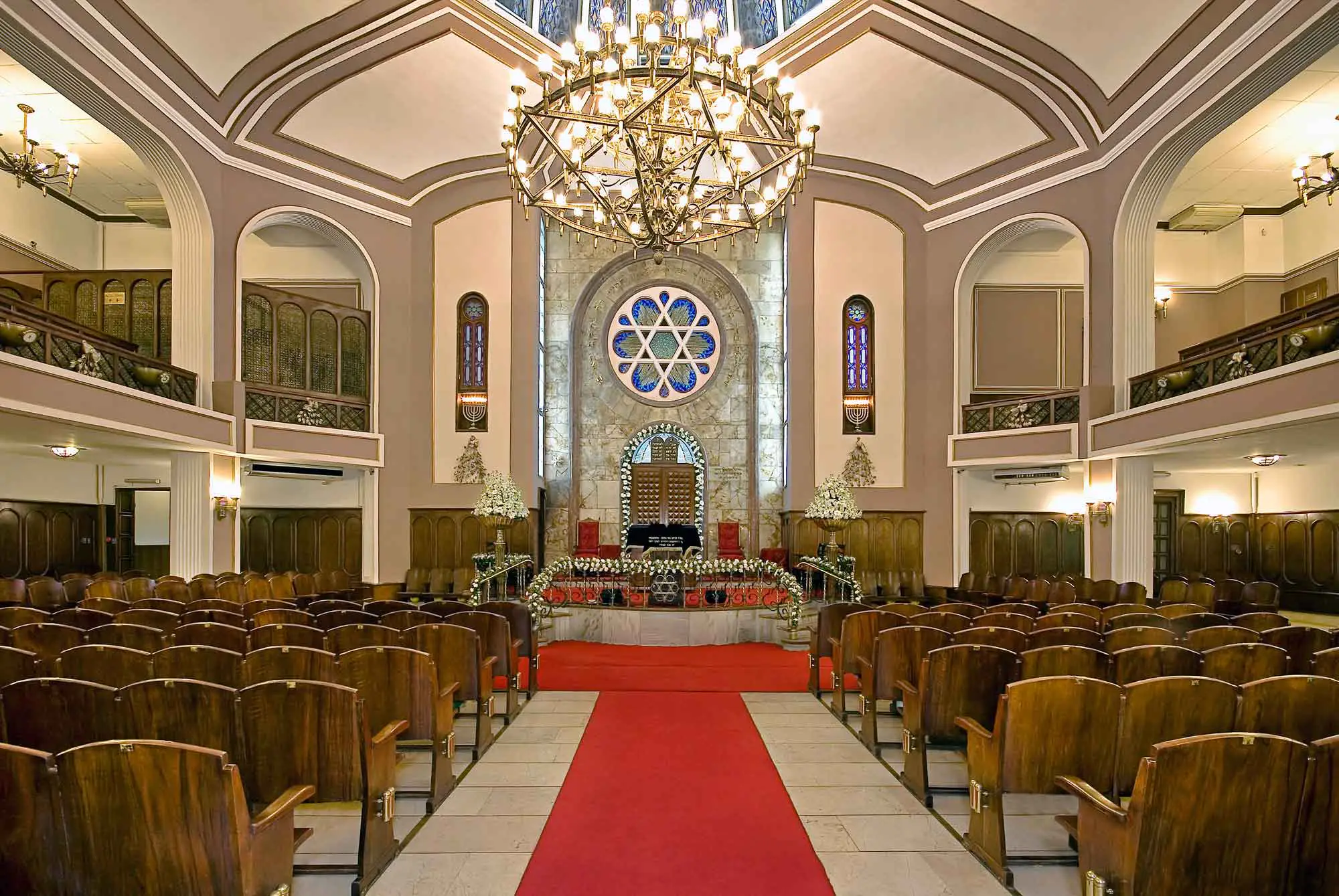
Neve Shalom opened in 1951 and remains an important place of worship and community life. Its domed interior makes it architecturally distinctive, but the synagogue’s significance is also in the services, celebrations, and commemorations held there.
The museum says visitors enter Neve Shalom through the museum and must present a passport or an officially issued identity card at the security check. Check the museum’s official visitor information before you go, and confirm access for your date if seeing the synagogue interior is important to you.
The Ashkenazi Synagogue
The Ashkenazi Synagogue, inaugurated in 1900, offers a different perspective on Jewish Galata. Its founders came from Central Europe, and the congregation’s traditions reflect a history distinct from that of the city’s Sephardic communities. Seeing the two synagogues in the same neighborhood gives you a concrete sense of the diversity of Jewish life in Istanbul.
If you hope to see the interior, confirm access specifically for the Ashkenazi Synagogue. The arrangements for the museum and Neve Shalom are separate.
Visiting Ahrida and Yanbol in Balat
Balat’s location on the Golden Horn gives this part of the visit a different character. In Galata, it’s easy to move between the museum and synagogue buildings. In Balat, we recommend setting aside time for the streets around them as well. A walk gives you room to talk about how Jewish families, congregations, and other communities lived in the neighborhood over successive generations.
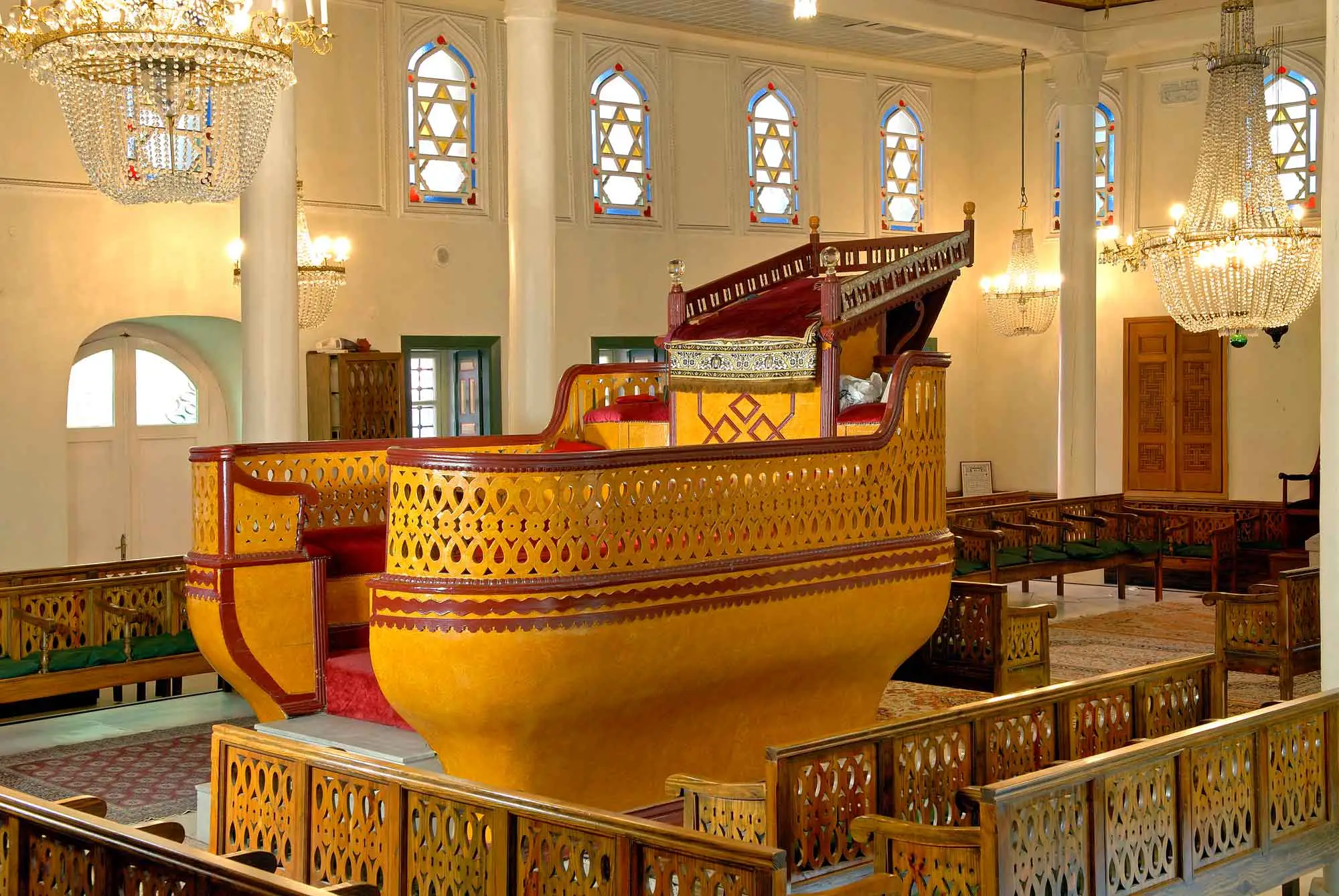
Ahrida Synagogue is one of the best-known Jewish landmarks in Balat. The congregation traces its origins to Jews from Ohrid. Inside, one of the most distinctive features is the tevah, the platform from which the Torah is read. Its shape is often compared to the bow of a ship.
Nearby, Yanbol Synagogue takes its name from Yambol, in present-day Bulgaria. Its painted wooden ceiling is a detail worth looking for if a visit is arranged. The names Ahrida and Yanbol are reminders of how congregations carried the memory of their former homes into Ottoman Istanbul.
The Turkish Jewish Community publishes specific reservation guidance for Ahrida and Yanbol. If either is a priority, arrange it before you settle on the rest of your itinerary. A walk through Balat is worthwhile on its own, and your guide can explain the neighborhood’s history even on a day when interior access is limited. See the Turkish Jewish Community’s synagogue visitor guidance.
Is It Worth Including Ortaköy or Kuzguncuk?
If you have a full day, one of the Bosphorus neighborhoods can add another chapter to the visit. Which one makes sense depends on your interests, the confirmed appointments, and how much time you want to spend traveling between stops.
Ortaköy, on the European shore, is home to Etz Ahayim Synagogue. A visit here introduces the Jewish history of a waterfront neighborhood many travelers know primarily for its mosque and views of the Bosphorus. Ortaköy is a natural choice if you already plan to spend part of the day on the European shore.
Kuzguncuk, on the Asian shore, is home to Beth Yaakov Synagogue. Allow time to walk through the neighborhood and see how its synagogue, churches, and mosque fit into the surrounding streets. Kuzguncuk makes particular sense if you’re interested in how different religious communities shaped Istanbul’s neighborhoods, or if you want to spend some of your visit on the Asian side.
We generally recommend choosing one of these additions when you also want meaningful time in Galata and Balat. If your family has ties to Kuzguncuk or Ortaköy, that connection can be a good reason to build the day around the Bosphorus neighborhood first. Our guide to synagogues in Istanbul introduces both sites.
How Much Time Should You Allow?
If you have two to three hours, we recommend focusing on Galata. Start at the Jewish Museum of Turkey and include a synagogue interior if access has been confirmed. Leave some time to walk through the neighborhood and see where the synagogues fit into the streets around them.
With half a day, you can combine Galata and Balat. Choose the places that matter most to you and let confirmed synagogue appointments determine the order of the visit. Allow time to travel between the two neighborhoods and to walk through Balat at a comfortable pace.
A full day gives you more time at the museum, room for a leisurely lunch, and the option to continue to Ortakoy or Kuzguncuk if the schedule allows. You can also spend the day in Galata and Balat if you’d prefer to explore those neighborhoods in greater depth.
If you’d like to combine Jewish heritage with Istanbul’s historical sights in one day, spend the morning in Galata or Balat and continue to Sultanahmet after lunch. If Topkapi Palace is a priority, give it most of the afternoon. Our guide to how many days you need in Istanbul can help you plan the rest of your stay.
What Should You Arrange Before You Arrive?
Tell us which visits matter most to you. If your family came from a particular neighborhood or belonged to a particular congregation, mention that when you inquire. A family connection may change where we start and how much of the day we spend there.
Check the date before you finalize the itinerary. Religious holidays, services, and community activities can affect visitor access. The museum publishes its own schedule, including Saturday and holiday closures. For other synagogues, follow the arrangements for the specific congregation.
Have your passport ready. Passport information may be required in advance for synagogue visits, and you may need to show the document in person. If Eskinazi needs a passport copy to arrange your visit, we’ll provide a secure upload link.
Tell us if you wish to attend a service. A sightseeing visit and attendance at a religious service involve different arrangements. Tell us which you have in mind when you get in touch so we can advise you on the appropriate next steps.
Frequently Asked Questions
Can you visit a synagogue in Istanbul without a guide?
You can visit the Jewish Museum independently by following its published admission procedures. For a synagogue visit, confirm the venue’s own arrangements in advance. A private guide can help coordinate several stops and explain the connection between the congregations and the neighborhoods you’re visiting.
Can you visit synagogues on a Saturday or Sunday?
The Jewish Museum is closed on Saturdays and currently lists Sunday visitor hours. Other synagogues follow their own calendars. Confirm the specific visit first, particularly if a weekend is your only opportunity.
Can you combine Jewish heritage and historical sights in Istanbul in one day?
Yes. One option is to spend the morning exploring Jewish heritage in Galata or Balat, then continue to Sultanahmet after lunch for Hagia Sophia, the Hippodrome, or the Basilica Cistern. Start by confirming your synagogue appointment, since it will help determine the order of the day.
If Topkapi Palace is a priority, we recommend giving it most of the afternoon. If you’d like to visit both Galata and Balat, choose one or two historical sights so you still have time for a relaxed lunch and the journey between neighborhoods.
What if a synagogue visit cannot be confirmed?
You can still plan a meaningful route through Jewish Istanbul. The museum, when open, and a guided walk through Galata or Balat can give you a fuller picture of Jewish life in the city. If one interior is especially important to you, share your available dates early so we can see whether another day would work.
Plan a Private Jewish Heritage Visit in Istanbul
Some guests come to Istanbul to trace a family connection. Others want to understand how Romaniote, Sephardic, and Ashkenazi traditions became part of the same city. We begin with what brought you here, then plan the route around your interests, your pace, and the visits we can confirm.
If you’re considering a visit, explore our private Jewish heritage tours in Istanbul. Share your dates and the places you’d most like to see, and we’ll help you decide whether a half day or a full day makes sense.